Interaction - Bachelor
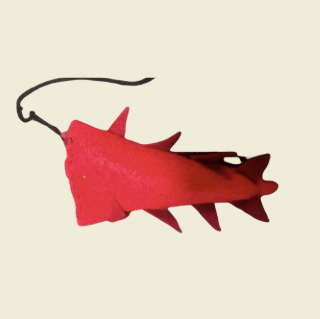
REACH is an interactive installation that invites adults to see the kitchen through a young child's eyes. By transforming everyday hazards into playful fantasy objects, REACH combines physical interaction, storytelling, and changing perspectives to reveal how curiosity can lead children towards danger, encouraging greater awareness of hidden risks in familiar spaces.

Traditional safety education often relies on verbal or written warnings to communicate potential hazards. However, these warnings may not help adults fully understand how young children perceive their surroundings or why seemingly ordinary objects can attract their curiosity. As a result, everyday dangers in familiar spaces can easily be overlooked.
How might we move beyond traditional safety warnings and help adults experience the hidden dangers of everyday kitchens through a young child’s perspective?
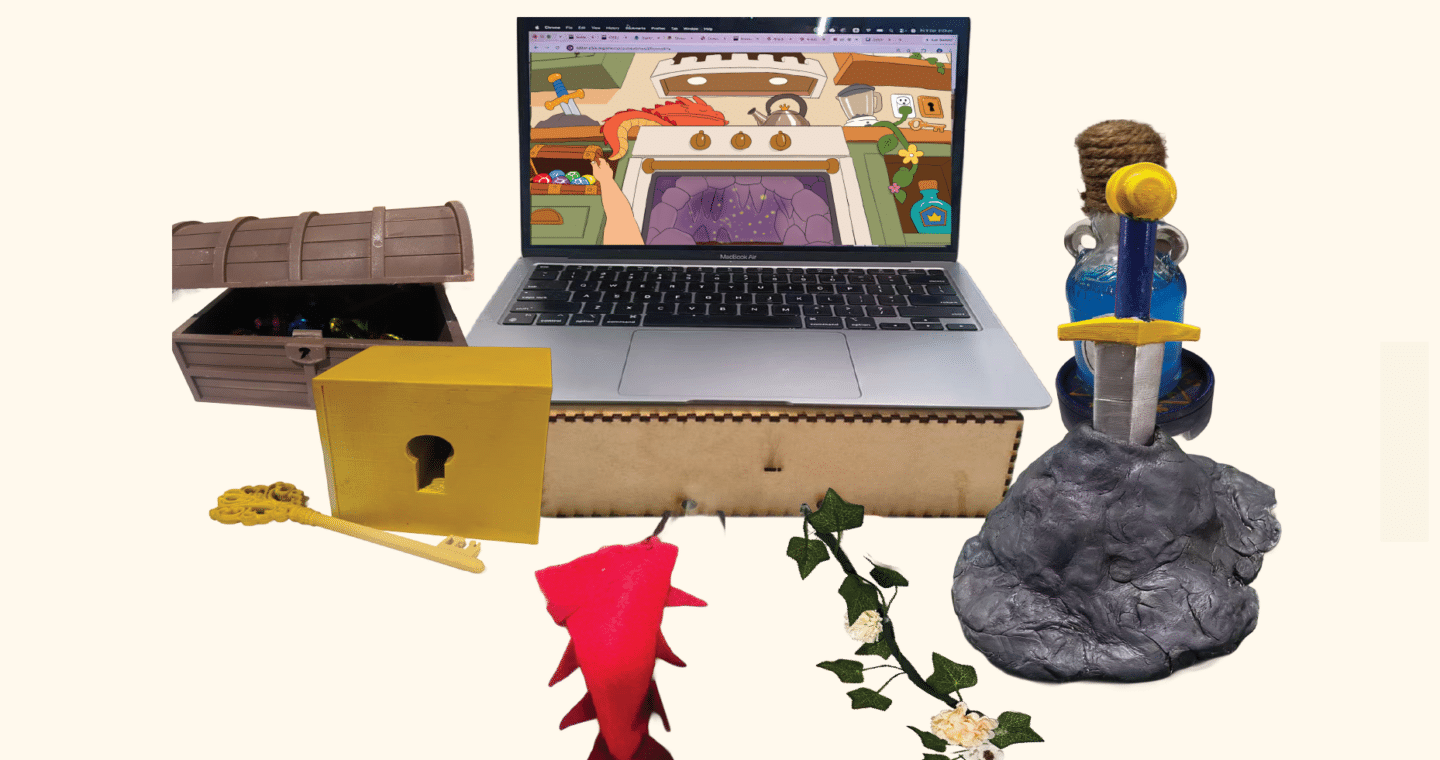
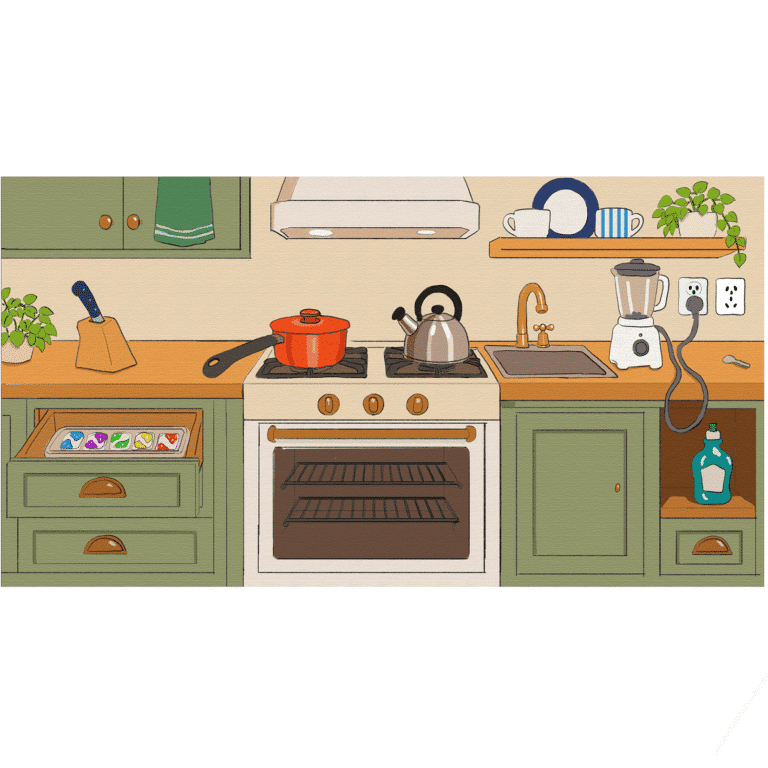
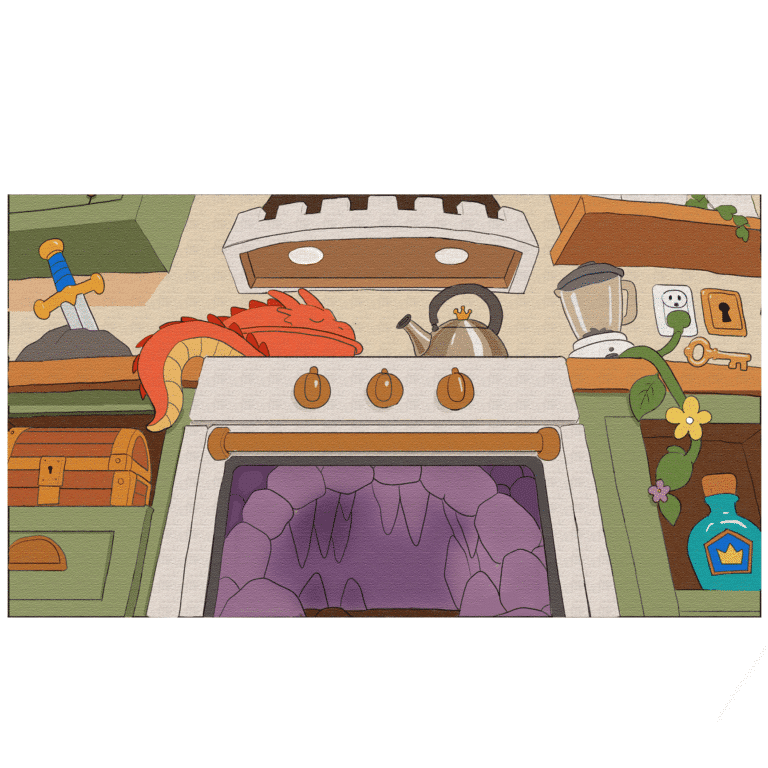
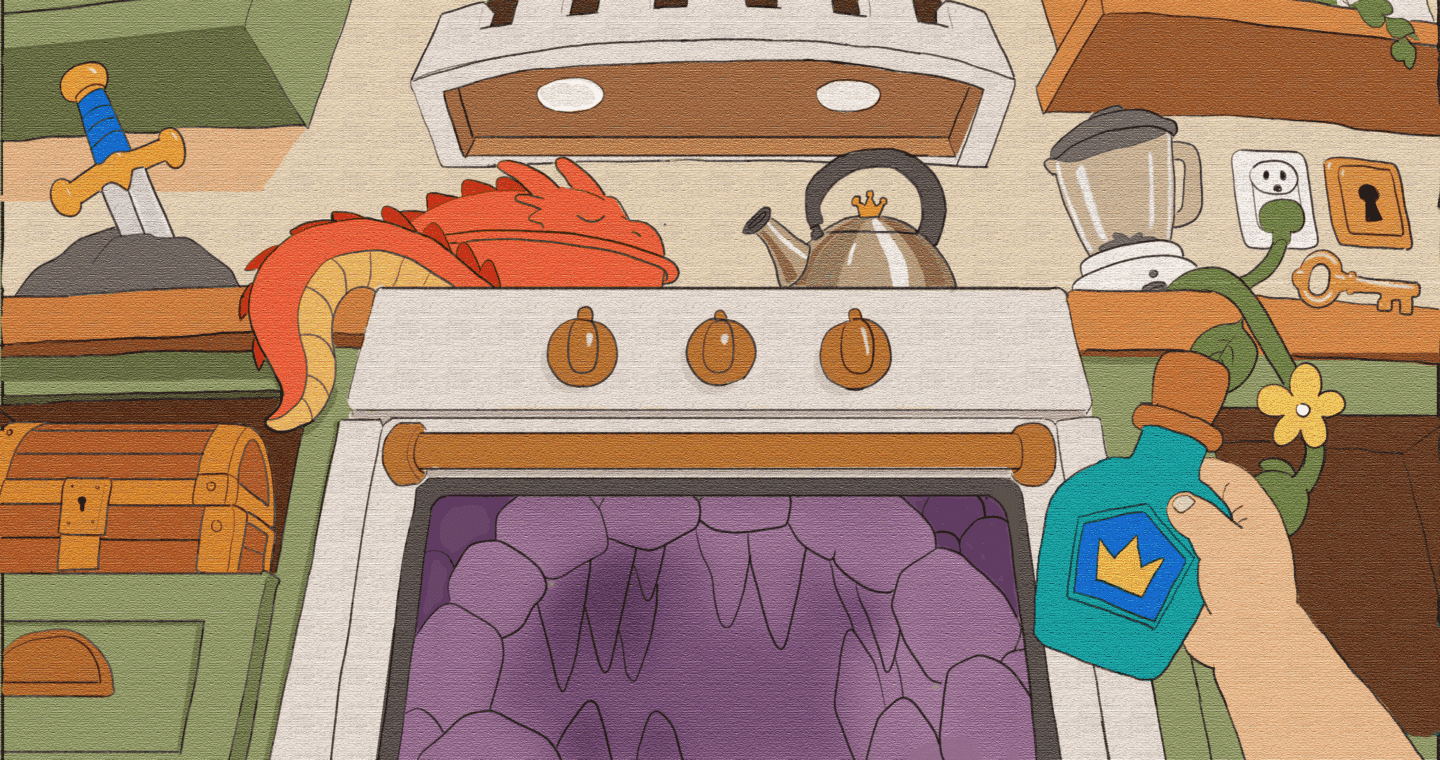
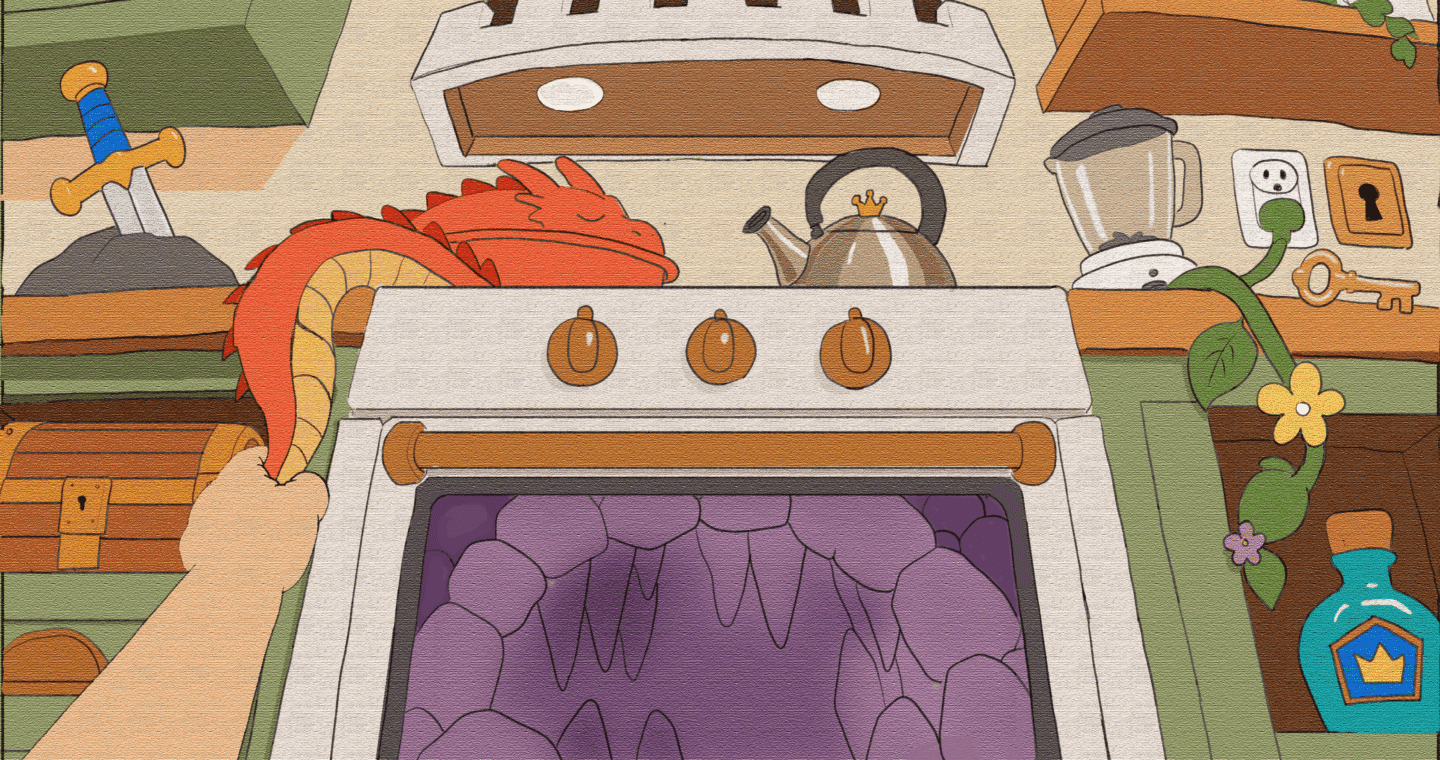
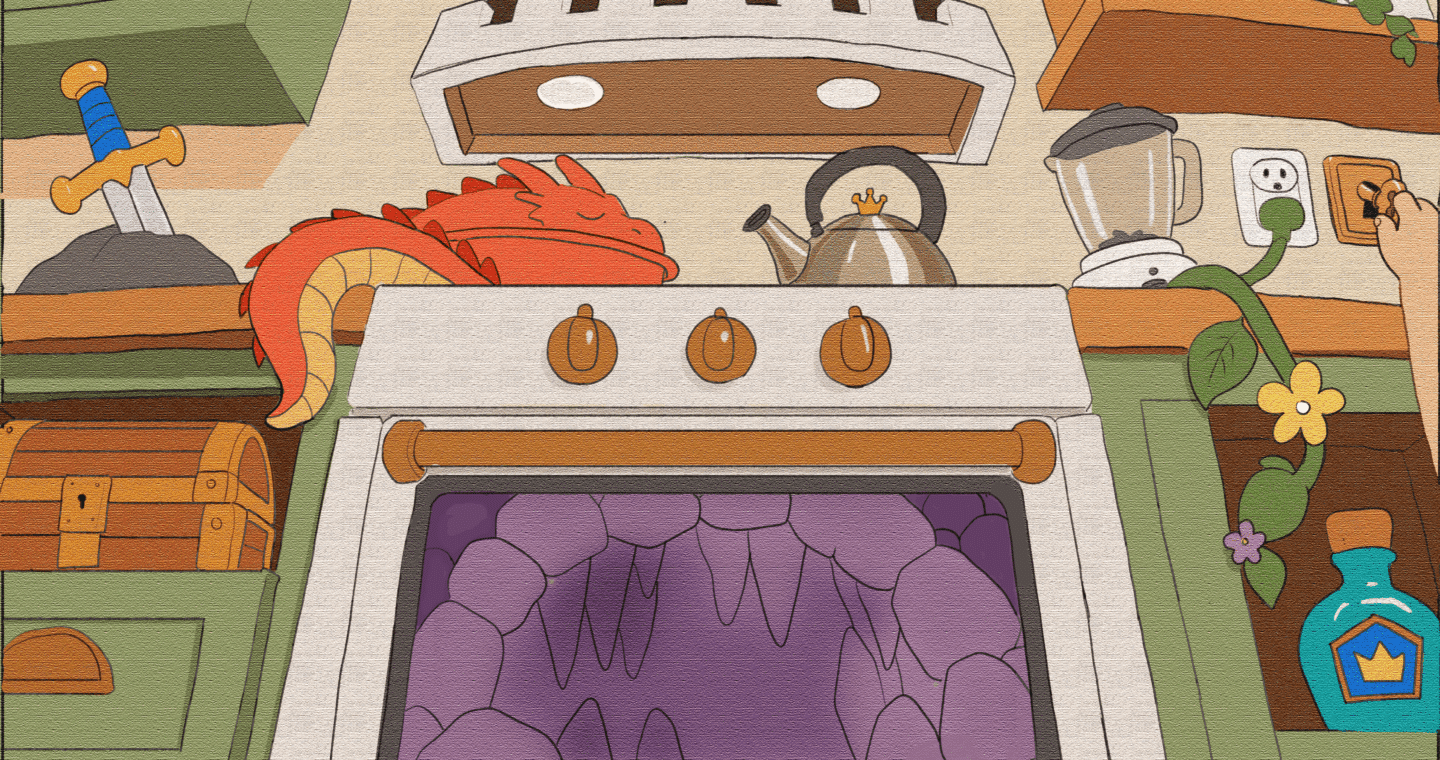
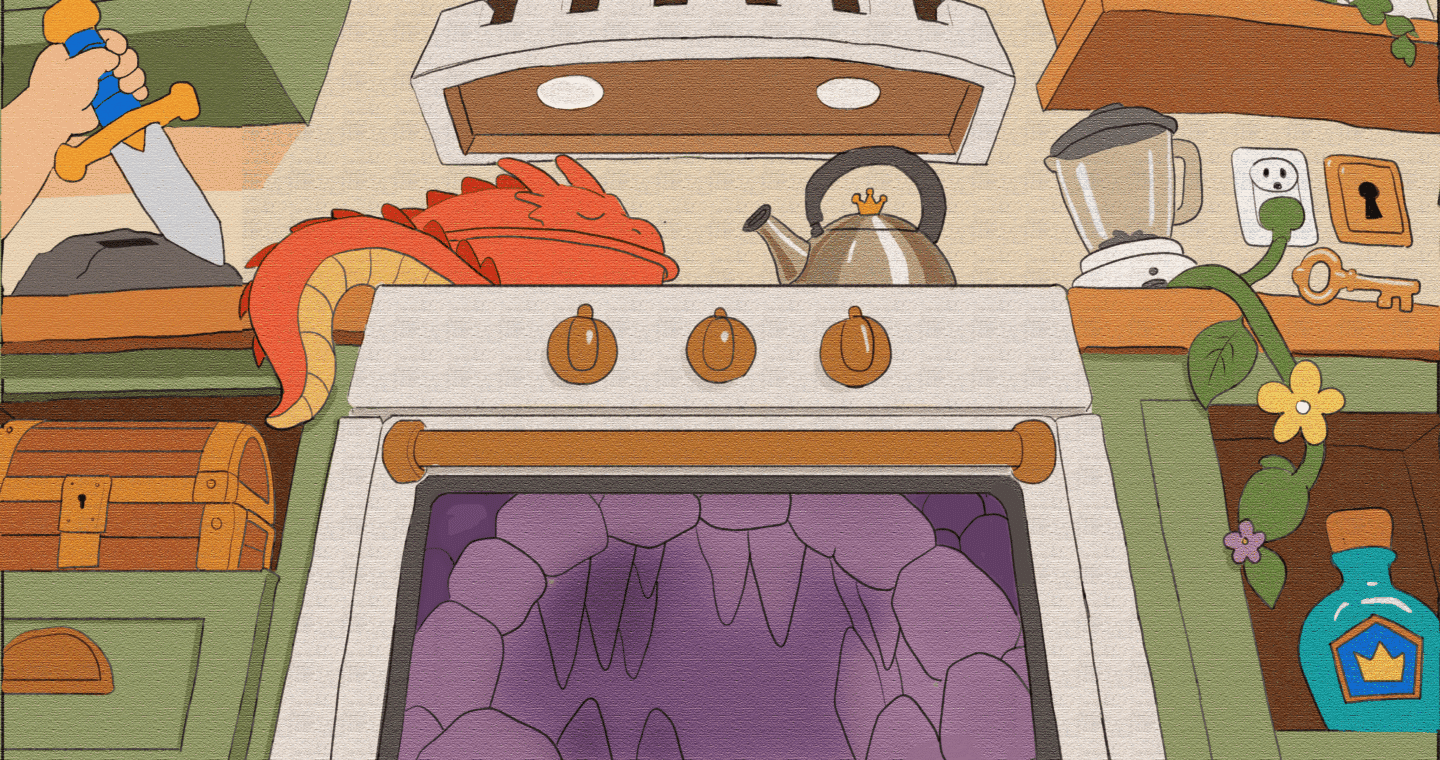
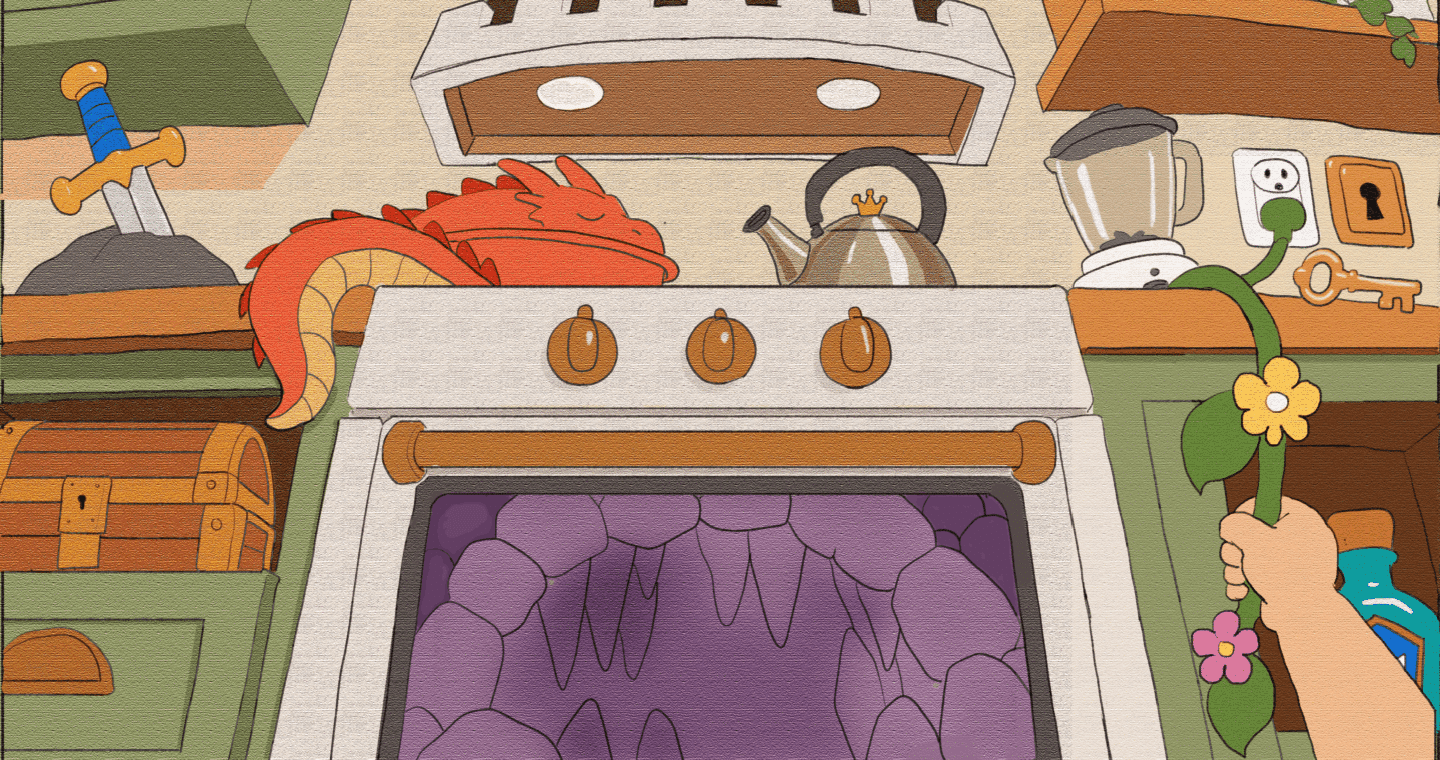
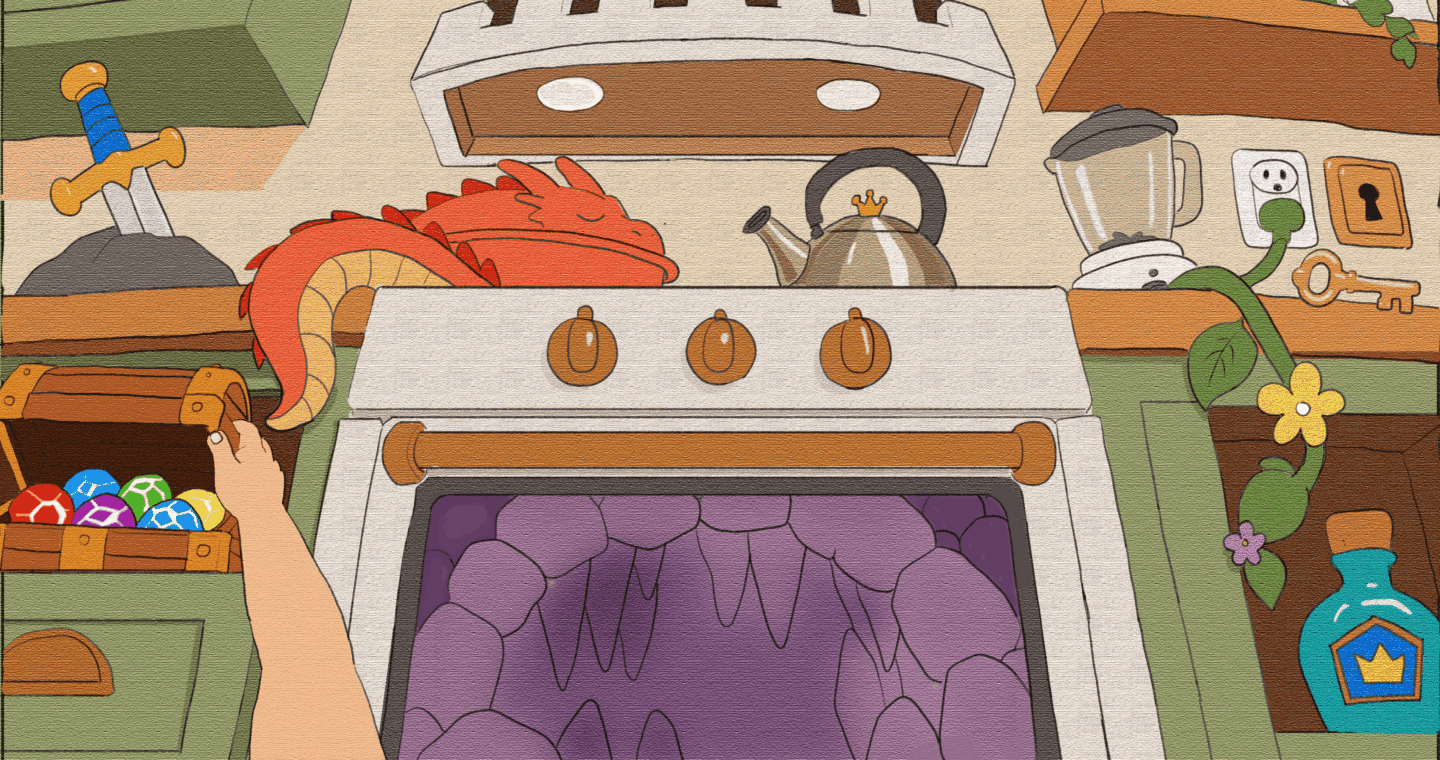
REACH transforms an everyday kitchen into a fantasy world through changes in physical perspective. By standing and sitting, participants experience how ordinary household objects can become exciting and potentially dangerous through a child’s imagination.
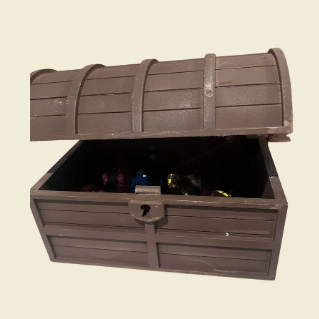
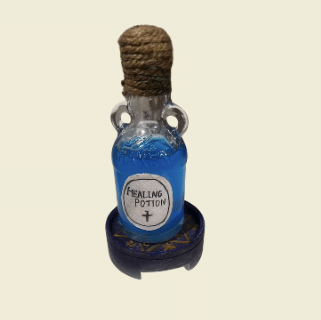
A pot handle becomes a dragon’s tail, a knife becomes a sword, and a cleaning bottle becomes a magical potion. Through physical interactions such as pulling, picking up, opening and inserting objects, participants discover the real-world hazards hidden behind these playful forms.
REACH is not simply about recognising kitchen hazards, but understanding why everyday objects may attract a child’s curiosity.
By combining imagination, perspective and physical interaction, REACH encourages adults to look beyond the familiar, reconsider hidden risks in everyday environments, and see the world from different perspectives.
Sherry Zhang is an emerging interaction designer passionate about inclusive and human-centred design. She is particularly interested in creating meaningful experiences that support underrepresented and underserved communities. Through storytelling, technology, and playful interactions, she aims to make design more accessible, engaging, and empowering for people with diverse needs and perspectives.
"*" indicates required fields