Interaction - Bachelor

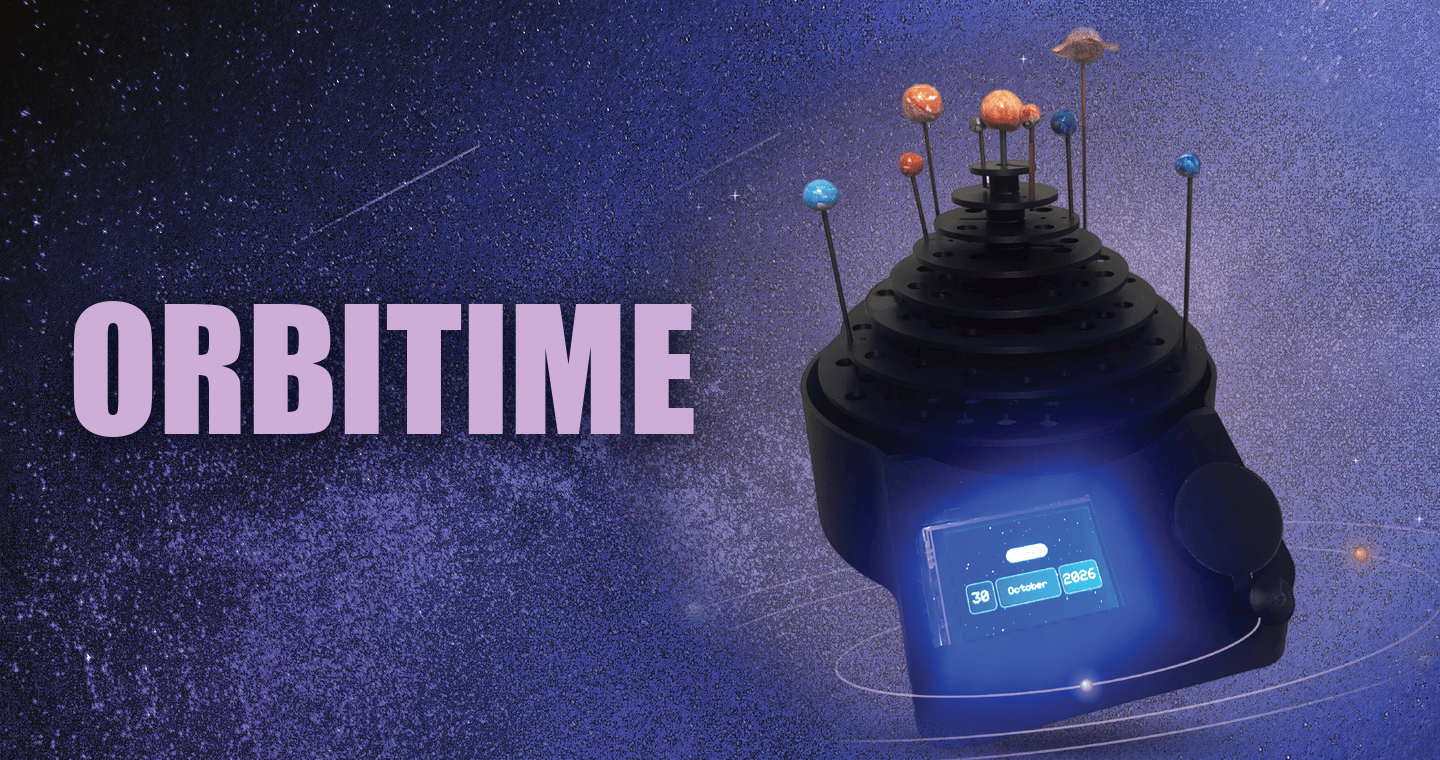
ORBITIME

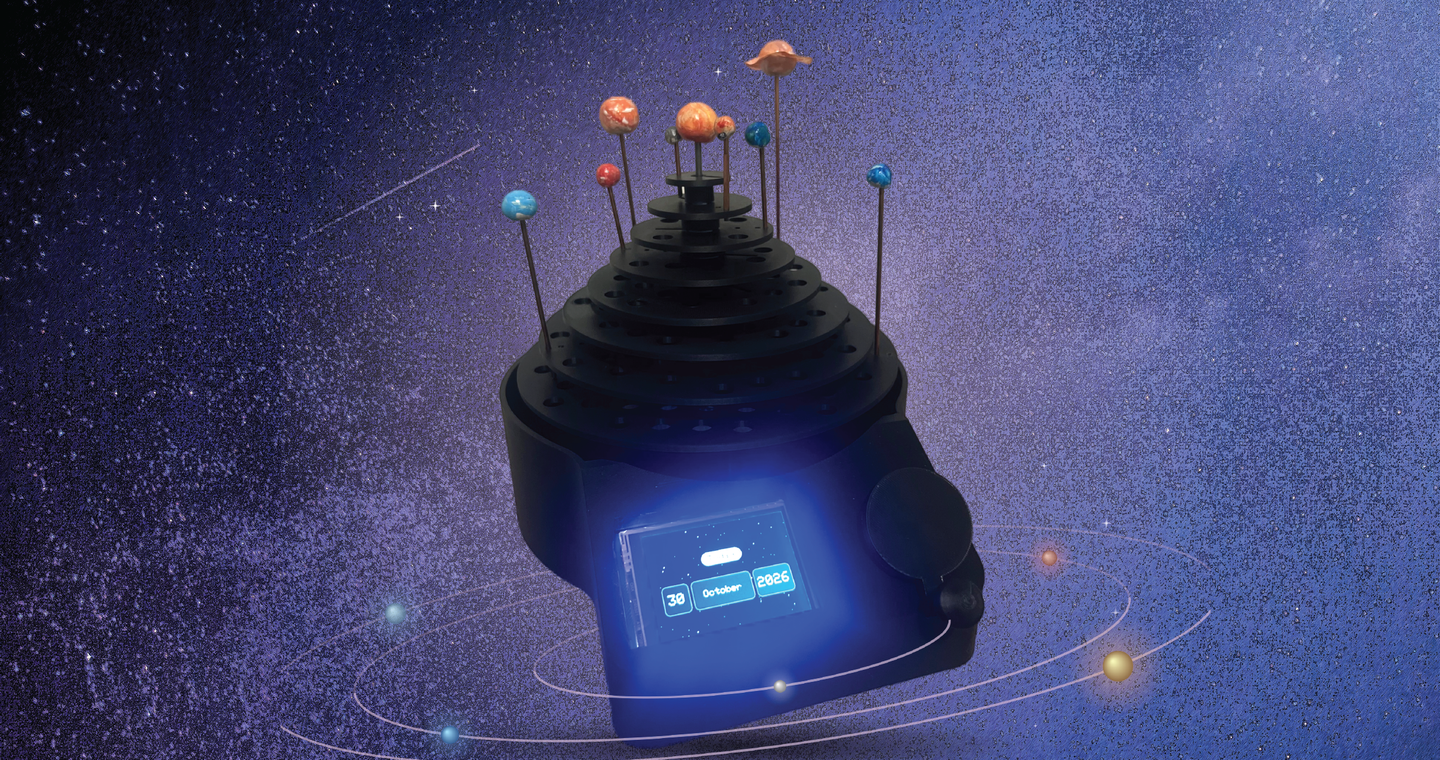
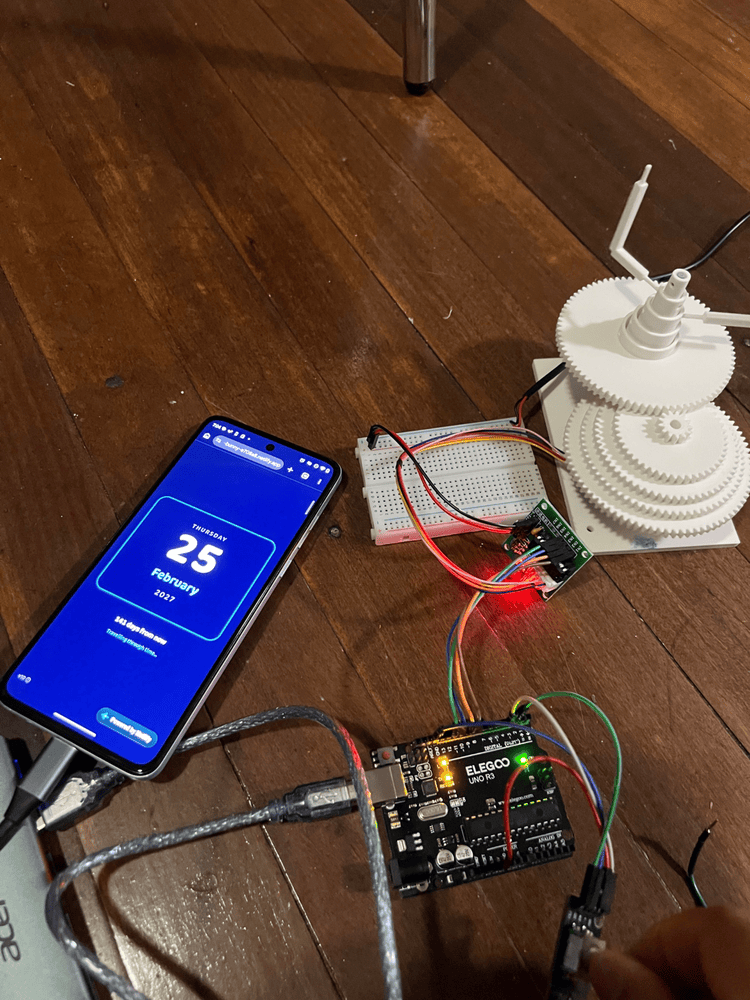
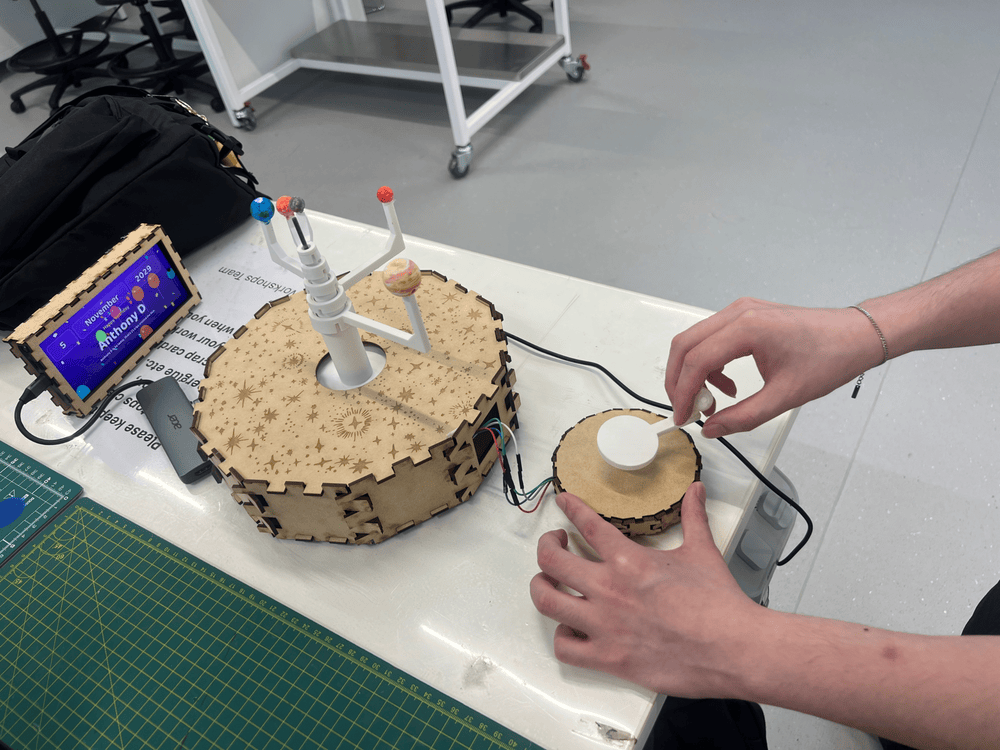
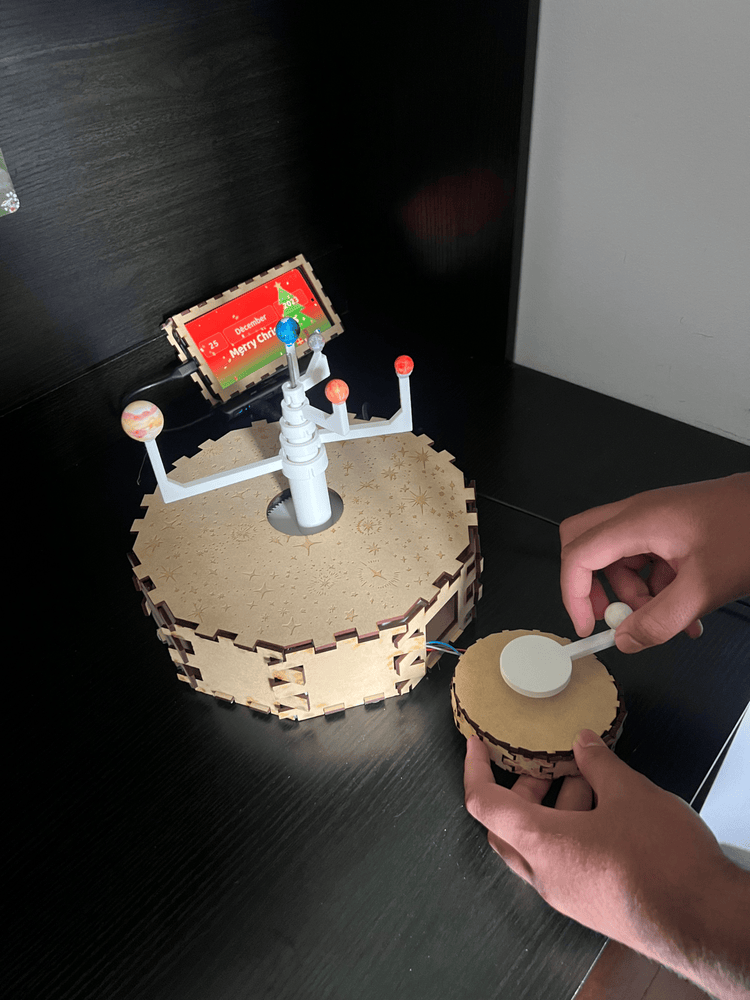
Orbit is a hands-on orrery that teaches primary students about planetary orbital periods. A single motor turns all eight planets at their true relative rates. It runs as a live classroom clock that students interact with throughout the year. It also anchors events in the year to the model. Spinning the dial travels through time, then when let go it returns to today’s date.

Prototyping

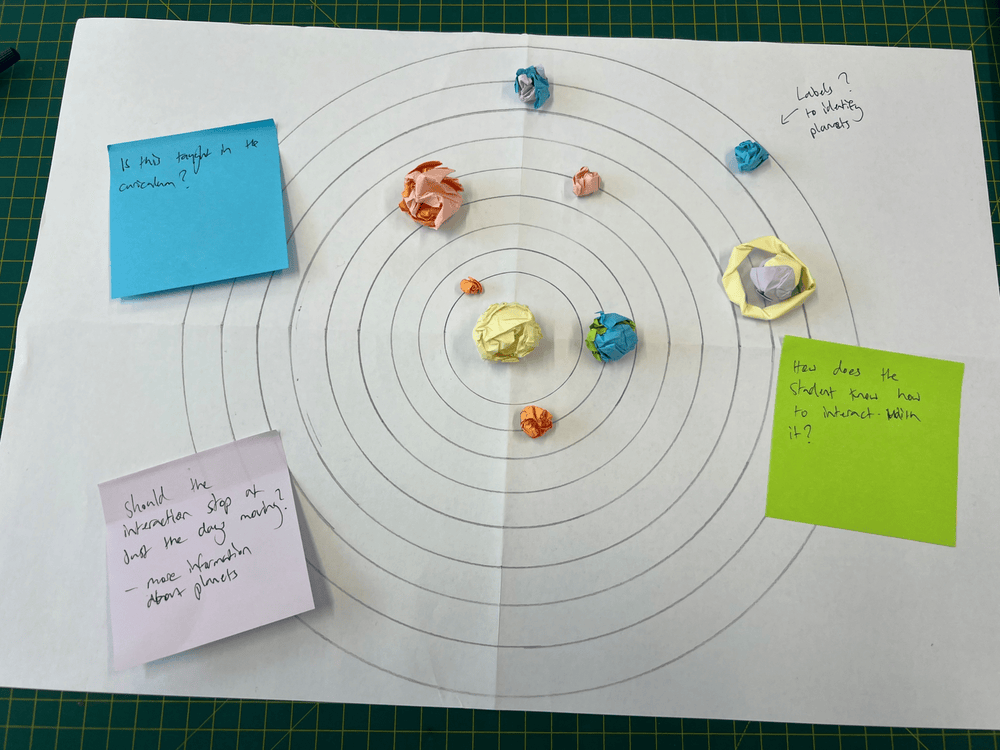
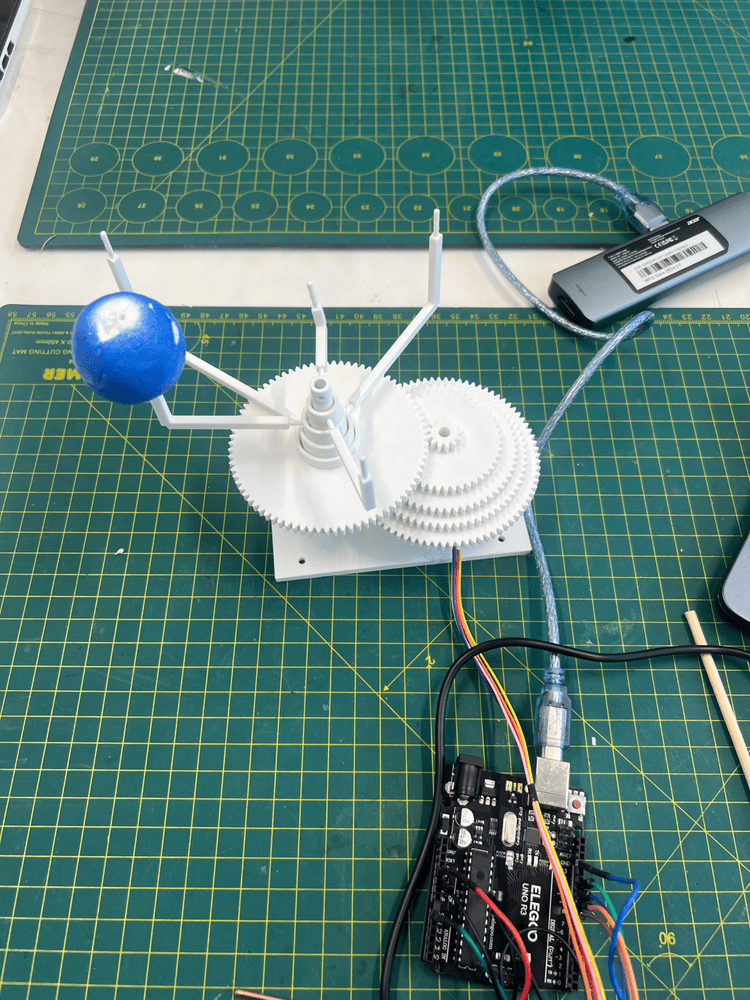
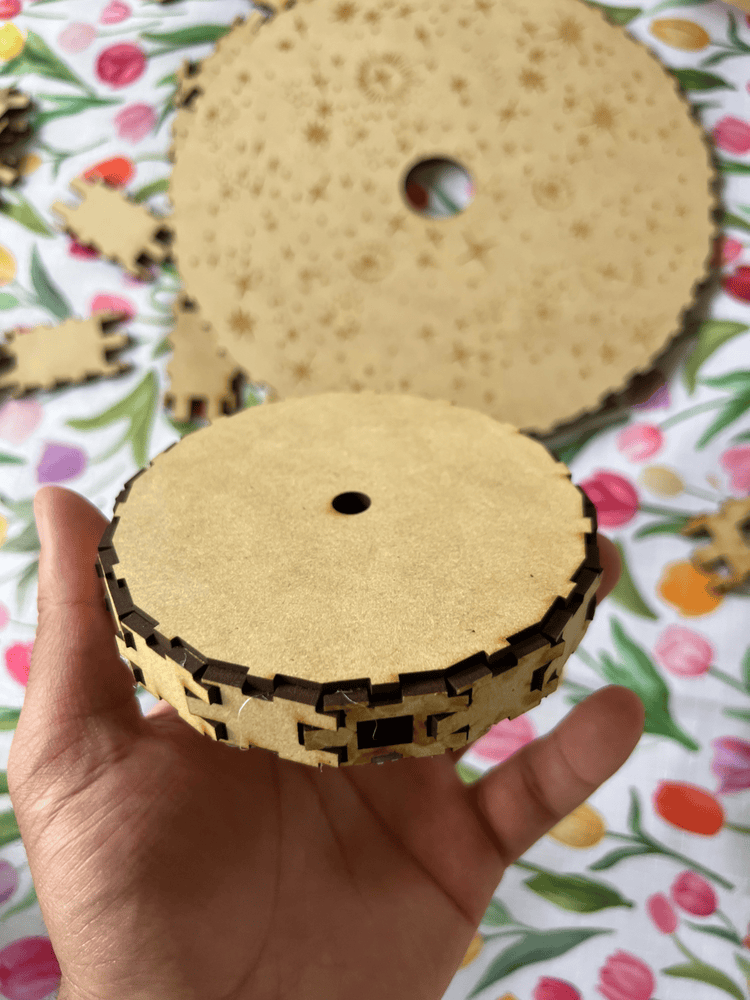
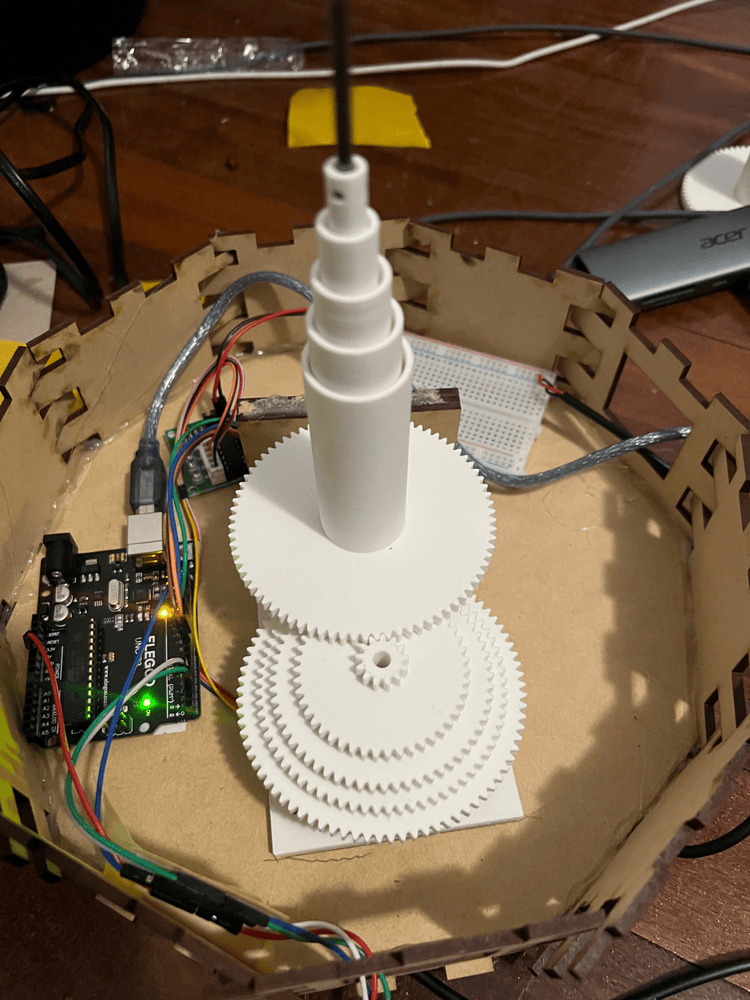
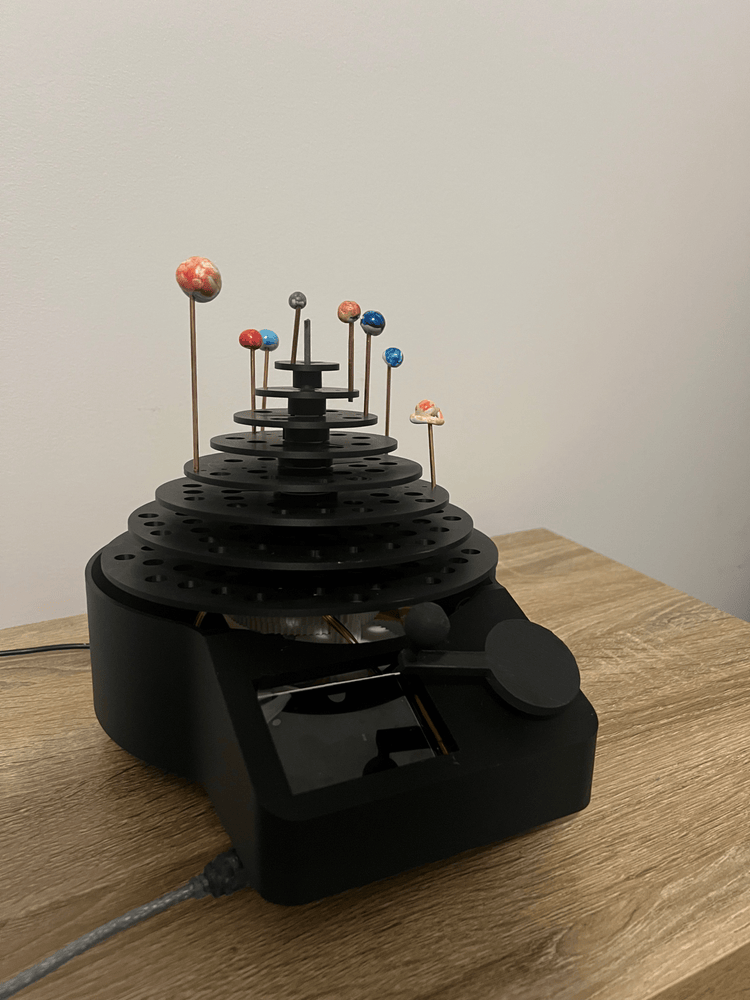
Orbitime began as a hand-pushed model: children moved a planet along its track to make that planet’s time pass. Testers enjoyed it, but didn’t connect the movement to time, and as each planet moved independently, the relationships between them stayed hidden. This led to the key pivot. In the real solar system, a single input, time, drives every planet, so the model should too. After an early gear system failed, I designed a telescoping stack of 3D-printed gears with accurate ratios, letting one stepper motor turn all eight planets at their true relative rates. A rotary dial replaced direct planet manipulation, and a small TFT LCD screen built into the model shows the date as children travel through time. User testing refined that display, narrowing its markers to birthdays and Christmas so each date stays meaningful. A 3D-printed base and hand-painted planets complete the build.

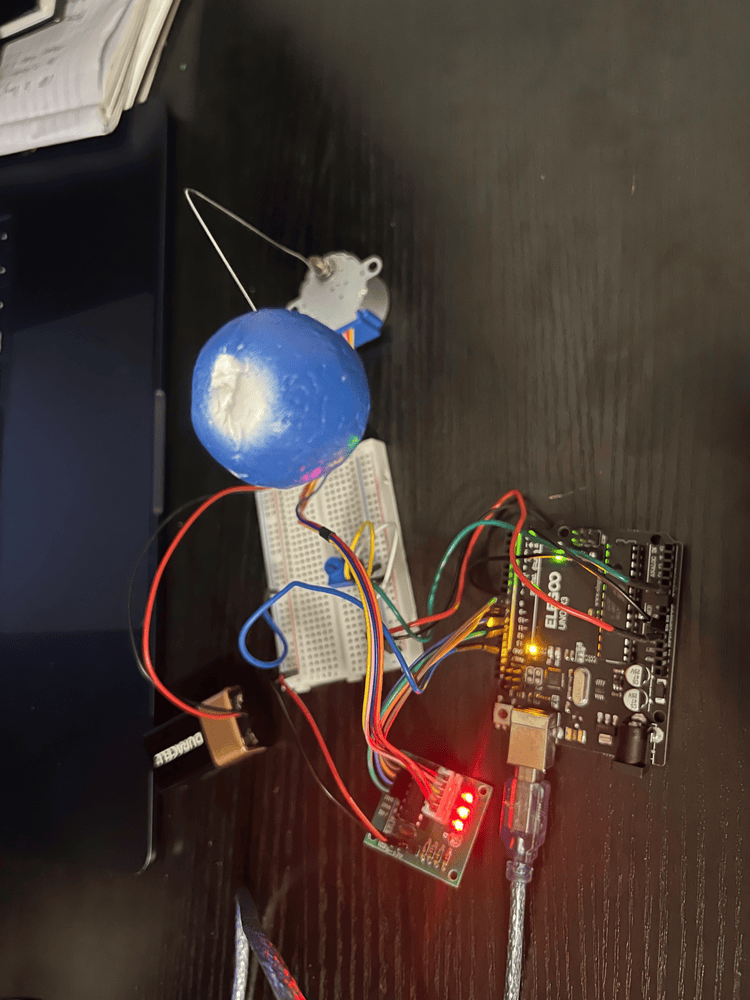
Elegoo Uno R3

Technology

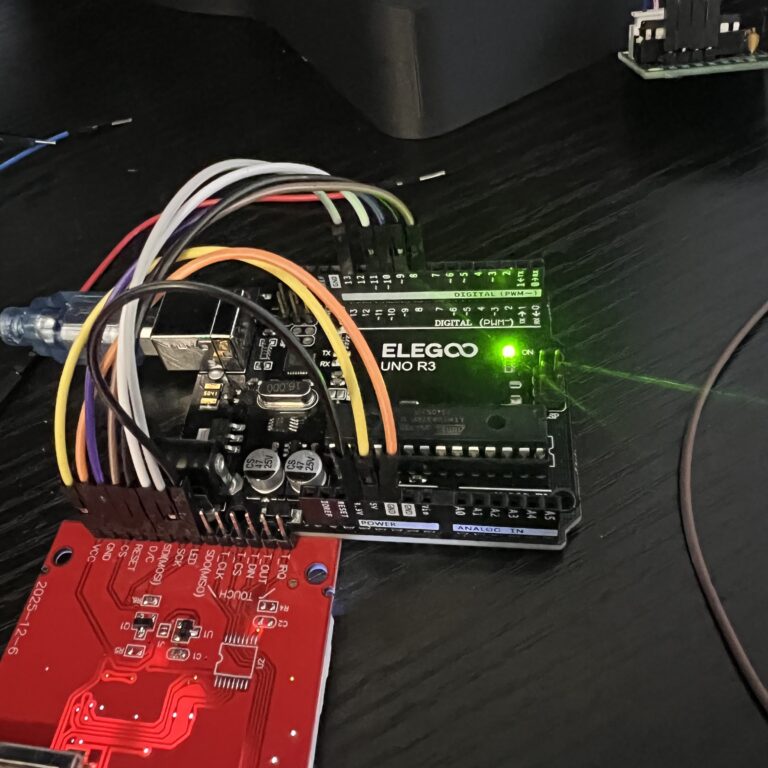
Orbitime runs on an ELEGOO UNO R3, an Arduino-compatible board, which drives a single 28BYJ-48 stepper motor through a ULN2003 driver board. The motor turns a telescoping stack of 3D-printed gears, each cut to a ratio that matches its planet’s true orbital period, so one input moves all eight planets in correct proportion. Because planetary positions follow predictable maths, the board converts any date into a motor position directly, with no sensors needed to track where the planets are. A rotary dial feeds the date into the system: turning it sends the model forward or back through time, and releasing it returns the planets to today’s positions. A 2.8-inch TFT LCD screen, driven over SPI, displays the current date and marks familiar events such as birthdays and Christmas. The mechanism sits on a 3D-printed base that houses the electronics.

Emmanuel Lijo

Emmanuel Lijo is a student studying a bachelor of Interaction Design and Information Systems. He has a passion for UX research and Human-centred design and is motivated in building solutions to real world problems.

Vote For This Project

"*" indicates required fields

This field is for validation purposes and should be left unchanged.
This field is hidden when viewing the form
Project