Interaction - Bachelor

papercuts

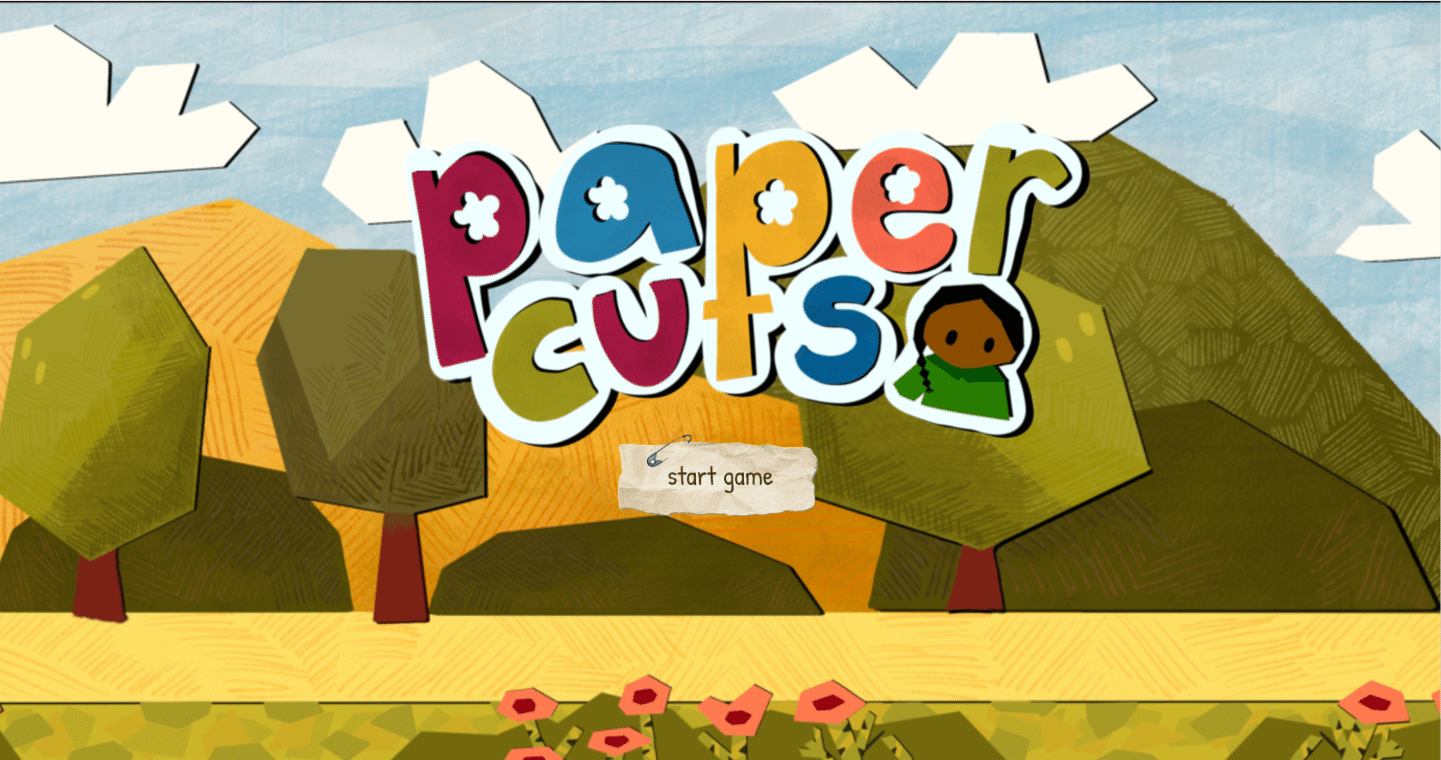
papercuts is an interactive visual novel following Saanvi, a second-generation Indian immigrant, from childhood into adulthood as she navigates cultural identity and belonging. Through several pivotal decisions, players experience her struggle between embracing her cultural identity and becoming who she feels she needs to be to fit in. As the desire for acceptance grows, so does the distance between the person she presents to the world and the parts of herself she leaves behind.

Introducing papercuts

At a time when national identity, immigration, and the idea of a “monocultural Australia” are increasingly at the forefront of discussion and headlines, I felt compelled to create something that brings the people behind these conversations back into focus. Multiculturalism should be celebrated, from the different cultures to the unique experiences and perspectives that shape who we are as a nation. However, in the noise of these debates, I believe we have started to lose sight of why that diversity matters in the first place.

Less often discussed is how easily this pressure to belong can be internalised, even by those of us who have grown up in immigrant families. In the rush to fit in, make friends, and make a new country feel like home, we can sometimes find ourselves moving further away from the very things that make us who we are. This is a story that hits particularly close to home, and one I wanted to explore through papercuts. By following the experiences of a second-generation immigrant growing up between cultures, I hope to create space for empathy, reflection and a renewed appreciation for the differences that make our communities richer.

Video Showcase

Purpose

The purpose of papercuts is to open up conversations about culture, heritage and the ways they shape our sense of self. However, I want this story to reach beyond those who share Saanvi’s cultural experience. At its core, papercuts is a story about belonging – the compromises we make, the parts of ourselves we suppress and the ways we reshape our identities in the hope of being accepted by the people and places that matter to us.

I want audiences of all ages, backgrounds and lived experiences to recognise something of themselves in Saanvi’s journey. We have all, in some way, felt the pressure to be more likeable, more familiar or more easily understood. Through an experience that invites audiences to actively make decisions and witness their consequences, papercuts encourages a deeper reflection on the things we have given up, changed or held onto in pursuit of belonging. Ultimately, I hope it creates a space for people to share these experiences, recognise the common threads between them and reconsider the value of everything that makes us different.

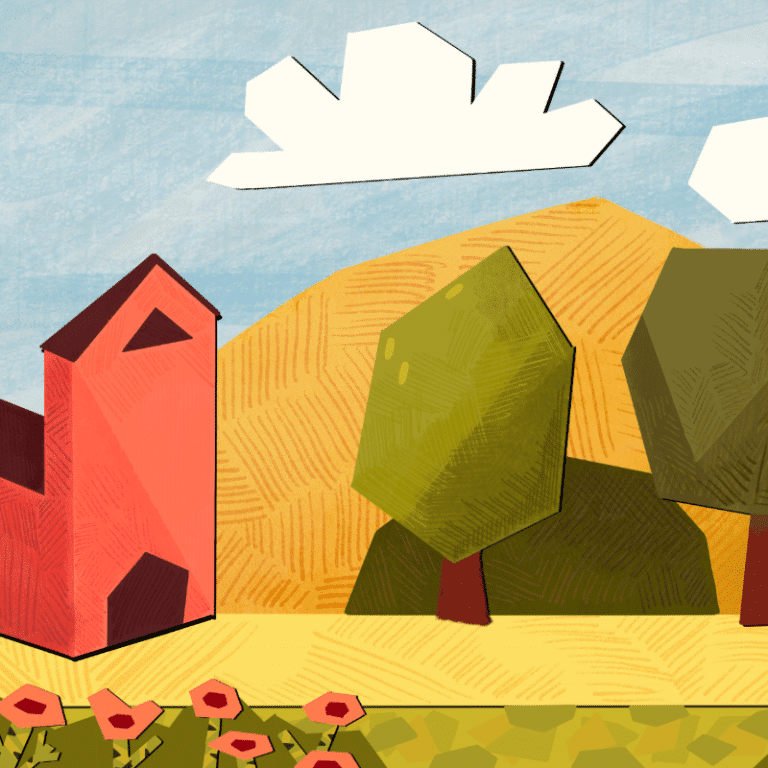
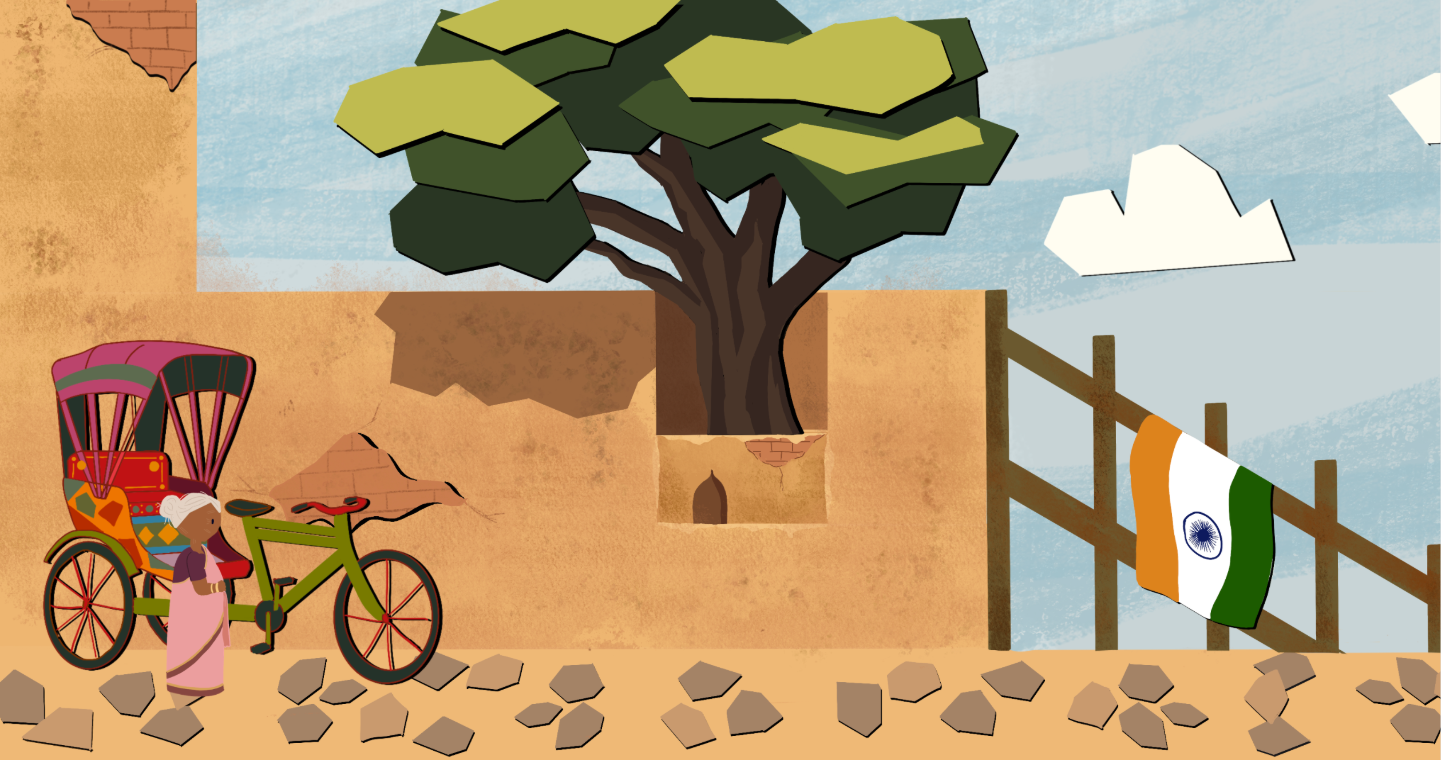
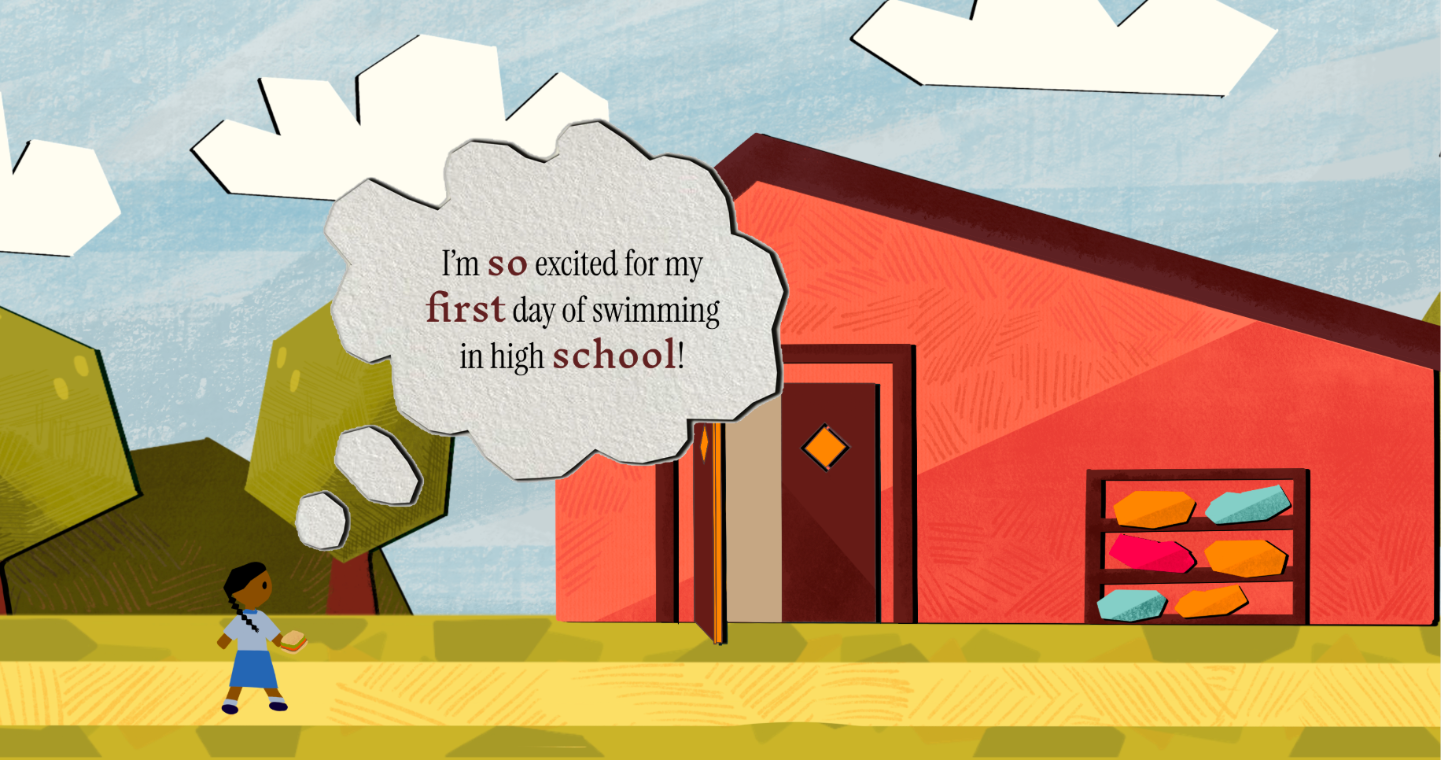
A picture of a scene from "PaperCuts" featuring a paper style outdoor illustration using bold colours and rough hatching.

Artwork

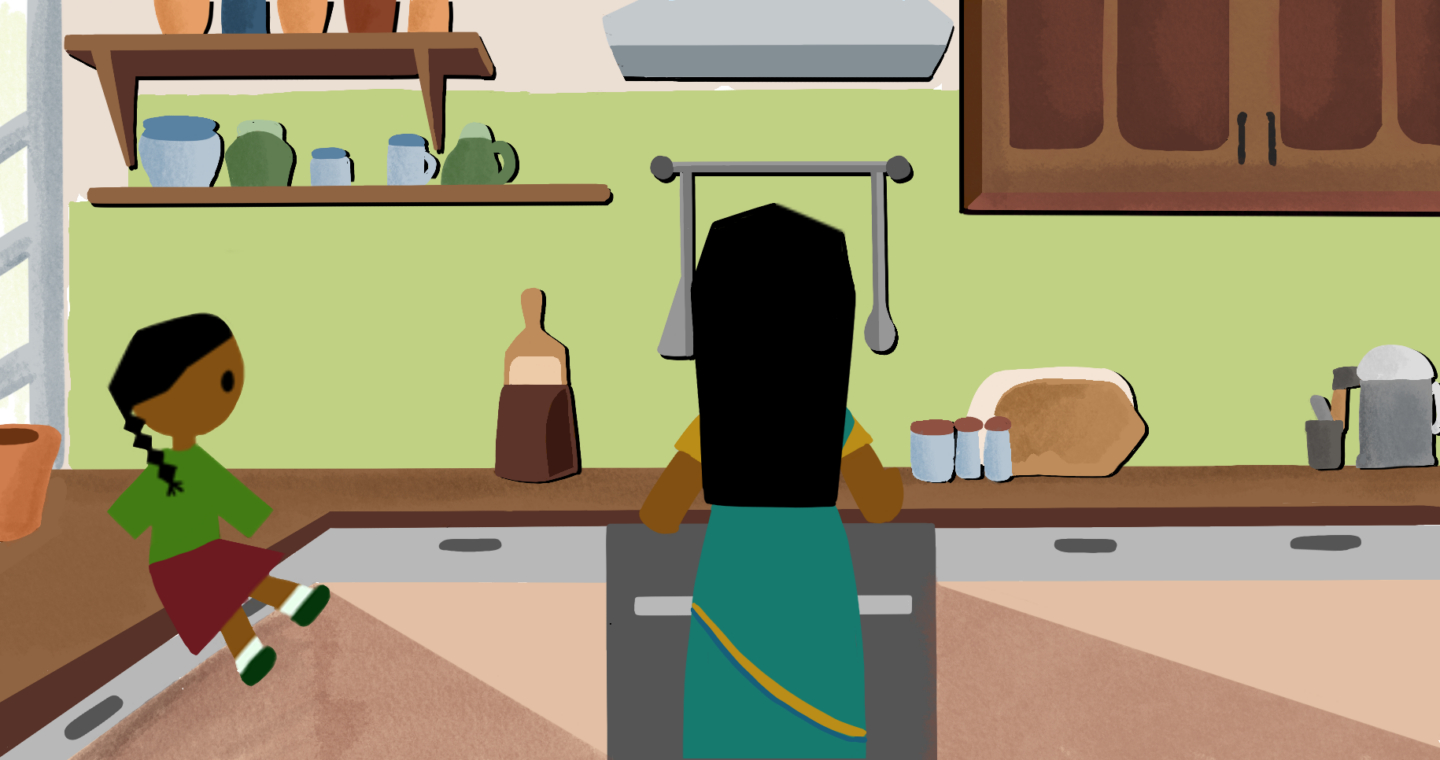
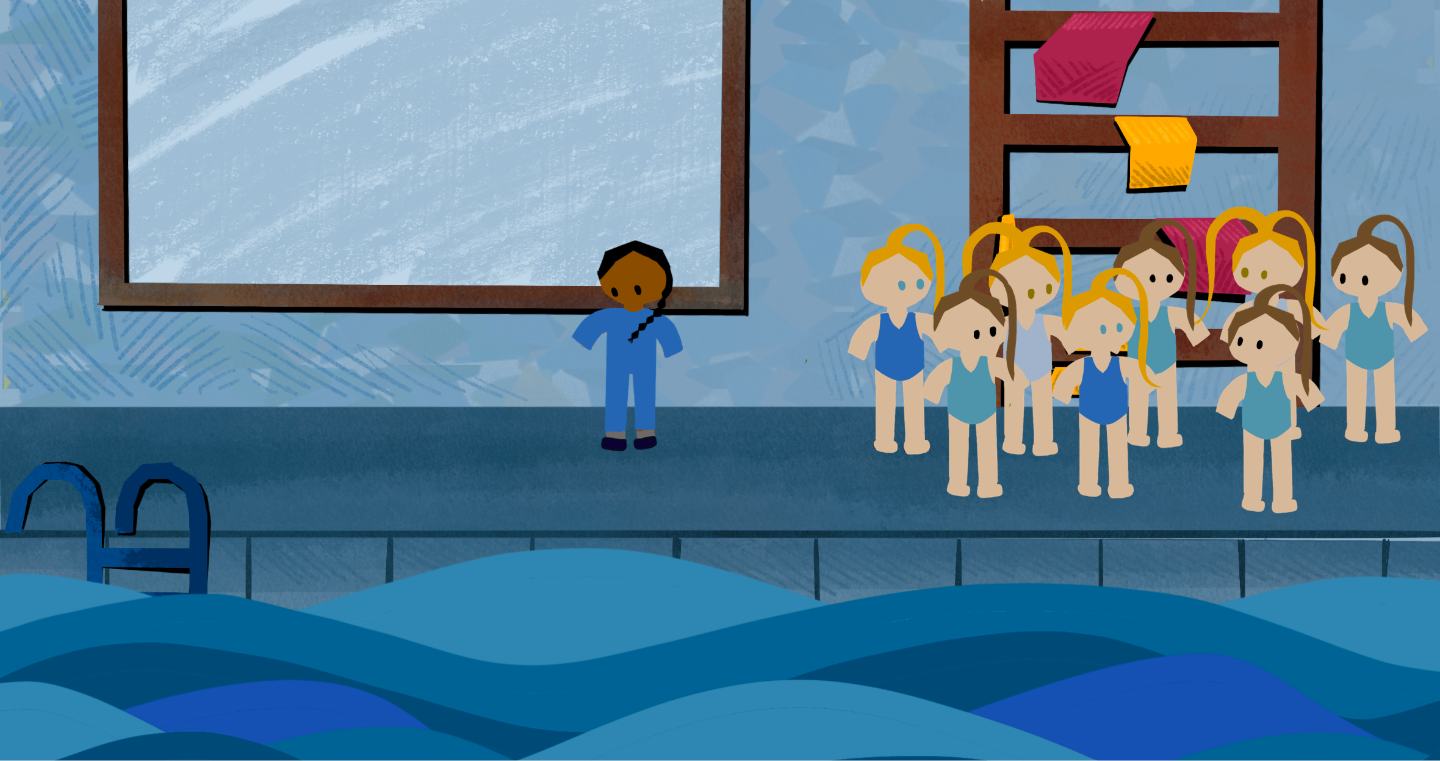
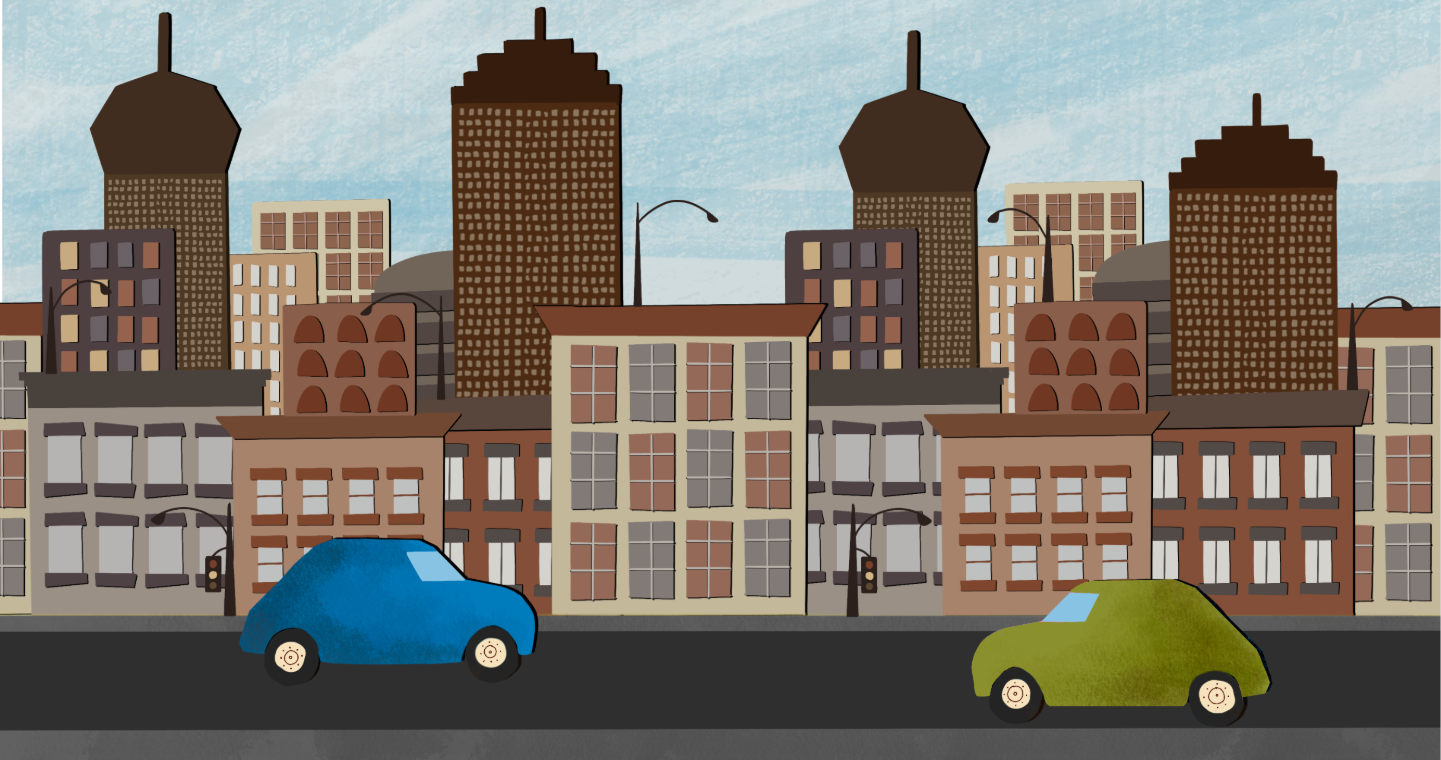
The artwork is composed of hand-drawn illustrations created in Procreate. The heavily illustrated, block-colour style uses bold, warm colours, rough, visible hatching and harsh black shadows beneath foreground elements to create a distinctly tactile, paper-like quality.

This visual language was deliberately chosen to complement the themes of papercuts, evoking the imperfect, layered and deeply personal nature of memory. The visible imperfections and textured shading give the illustrations a sense of warmth and closeness, grounding the story in the feeling of looking back on moments that, however small they may have seemed at the time, leave a lasting impression.

Character Design

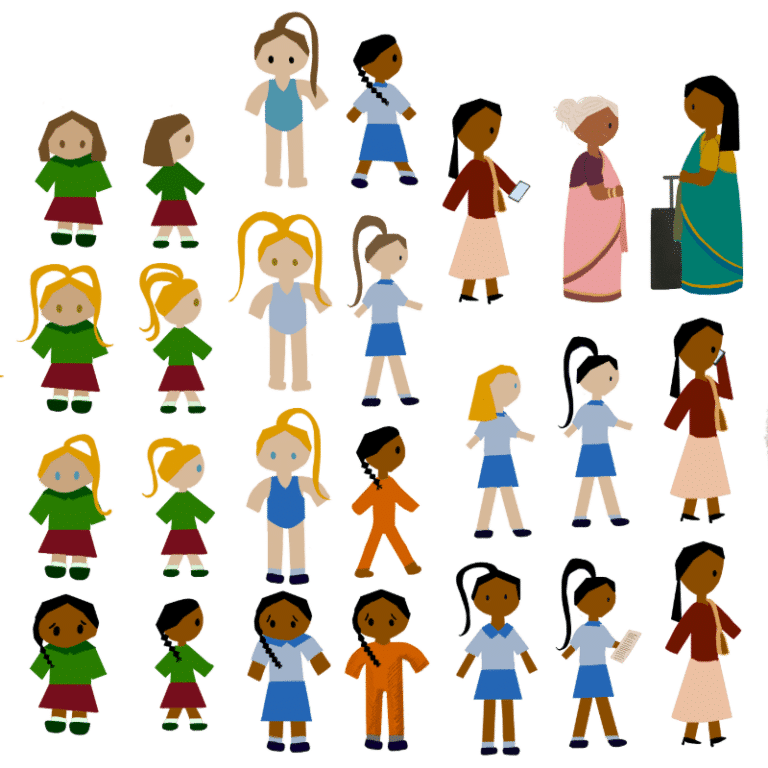
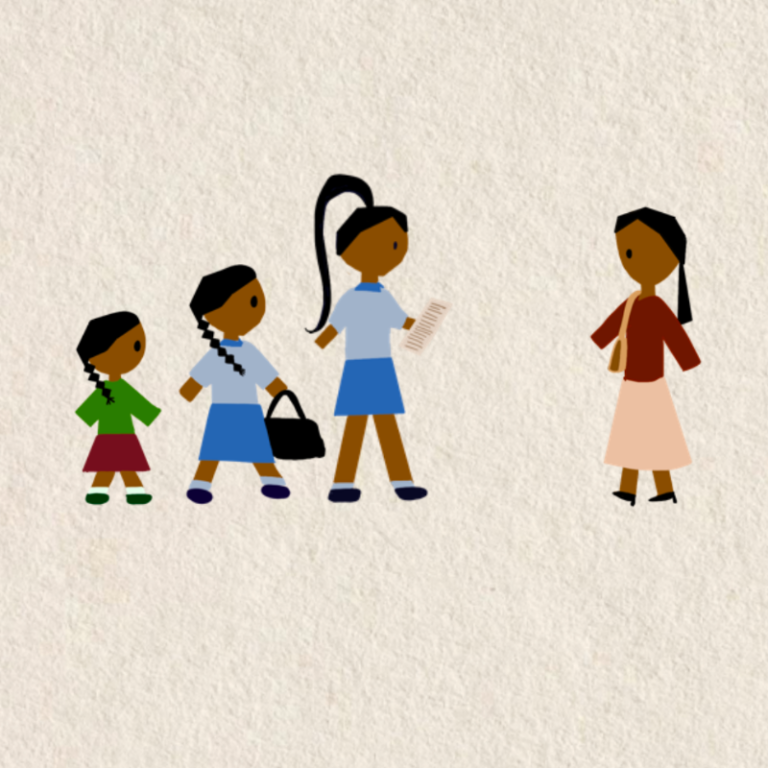
Character design was central to establishing emotional familiarity and continuity throughout Saanvi’s journey. Initially, I overcomplicated the characters with unnecessary detail, but through iteration and user testing, found audiences connected more strongly with simpler, expressive forms.

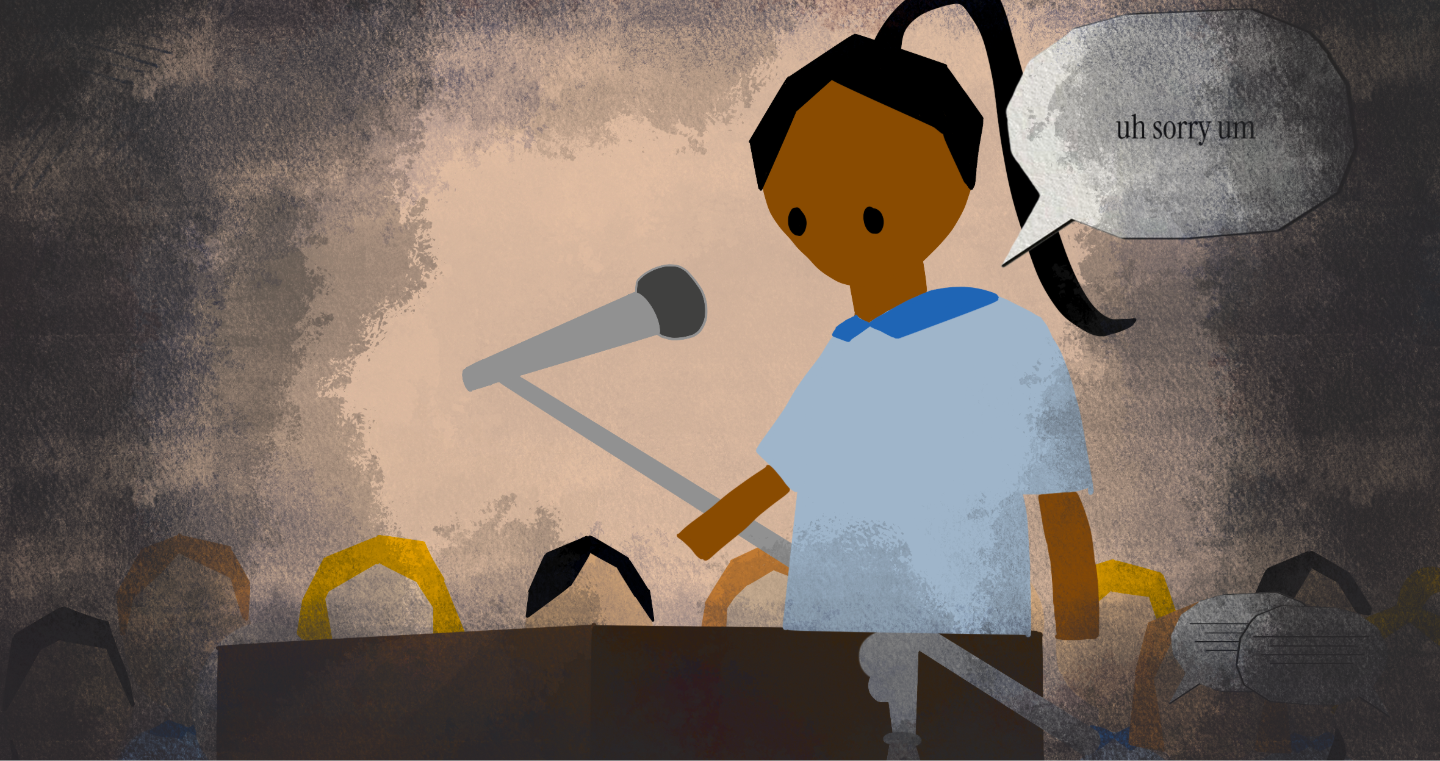
Stripping designs back to essential block shapes made eye direction, facial expression, body language and scene composition more deliberate storytelling tools, conveying emotion beyond dialogue and guiding the viewer’s attention. This was particularly important in a visual novel, where illustrations carry much of the narrative. Maintaining consistent character forms while varying hair, facial features and clothing also allowed me to communicate ageing and personal development while preserving visual continuity and simplifying sprite production.

Narrative Design

papercuts follows a largely linear, gauntlet-style narrative, punctuated by three key decision points centred on cultural tensions surrounding food, clothing and accent. At each turning point, players navigate the tension between concealing aspects of Saanvi’s identity to seek acceptance or expressing them openly, sometimes at the risk of social friction. While these choices may initially appear binary, their consequences reveal the nuances and contradictions of navigating belonging.

Originally, the story followed a fixed narrative with no player input. However, user testing highlighted the value of allowing audiences to make these decisions themselves. By actively shaping Saanvi’s experiences and witnessing the consequences, players become participants rather than observers. This creates opportunities for deeper empathy, encouraging them to connect her experiences with their own memories, compromises and understanding of belonging.

project snapshots

Pragati Vijayakumar

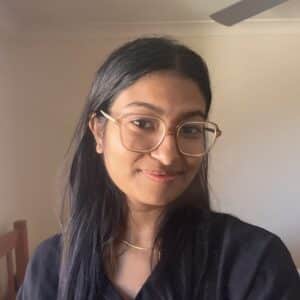
Pragati is an interaction designer drawn to the power of play to bring curiosity, excitement, and a sense of discovery into everyday interactions. She sees design as a way to spark conversations, challenge perspectives and explore meaningful ideas.

Vote For This Project

"*" indicates required fields

This field is for validation purposes and should be left unchanged.
This field is hidden when viewing the form
Project